
Our Name
The Way Between
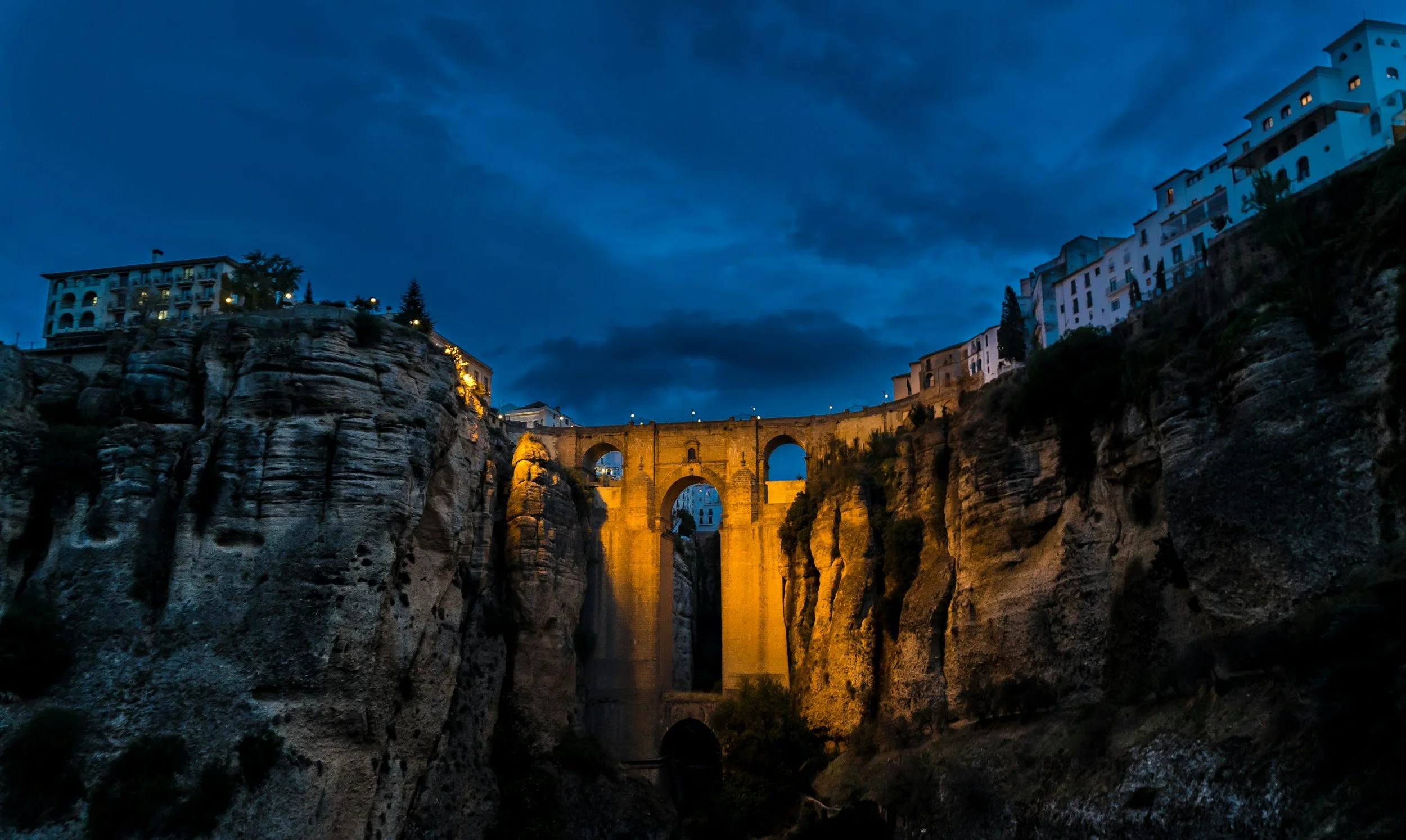
According to architectural terminology, transition space is considered an in-between, connecting space between two confined spaces. An essential element of any structure. One of the most important functions of transition space is the sustainability of the building design.
Whether a long hallway or a magnificent entrance, these liminal spaces play important functional roles, inviting others to linger and anticipate before entering into a new, often grander space.
Temples and places of worship have historically been designed with this concept of an architectural transition space in mind.
One who enters a holy space, having gone through a transition space to get there, has been given the gift of preparation. There is an invitation to intentionally prepare one’s head and heart for the encounter with the Holy One.
Similarly, the transition spaces of life invite a pause of preparation in body, soul, and spirit.
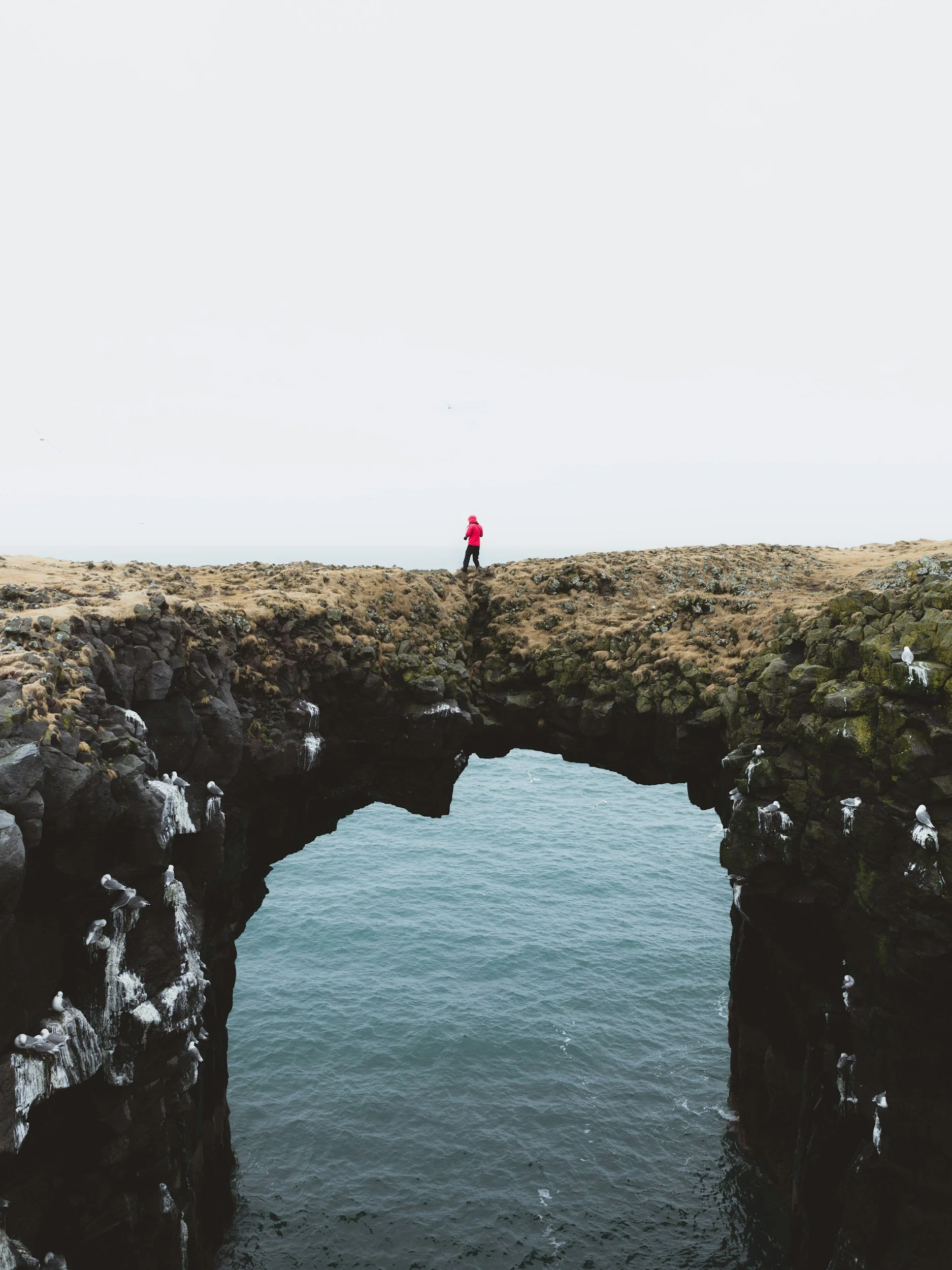
The aim of The Way Between is to utilize the transition spaces of life to create and solidify calling.
We do this through engagement with the whole self by applying art and movement to life planning tools.
When we do this, together we discover freedom and the way between.

Our Story
Major life transitions rarely announce themselves clearly.
Sometimes they arrive through sudden crisis.
Sometimes through burnout, ongoing team conflict, struggling children, aging parents, miscarriage, vocational uncertainty, or the quiet realization that something can no longer continue as it has.
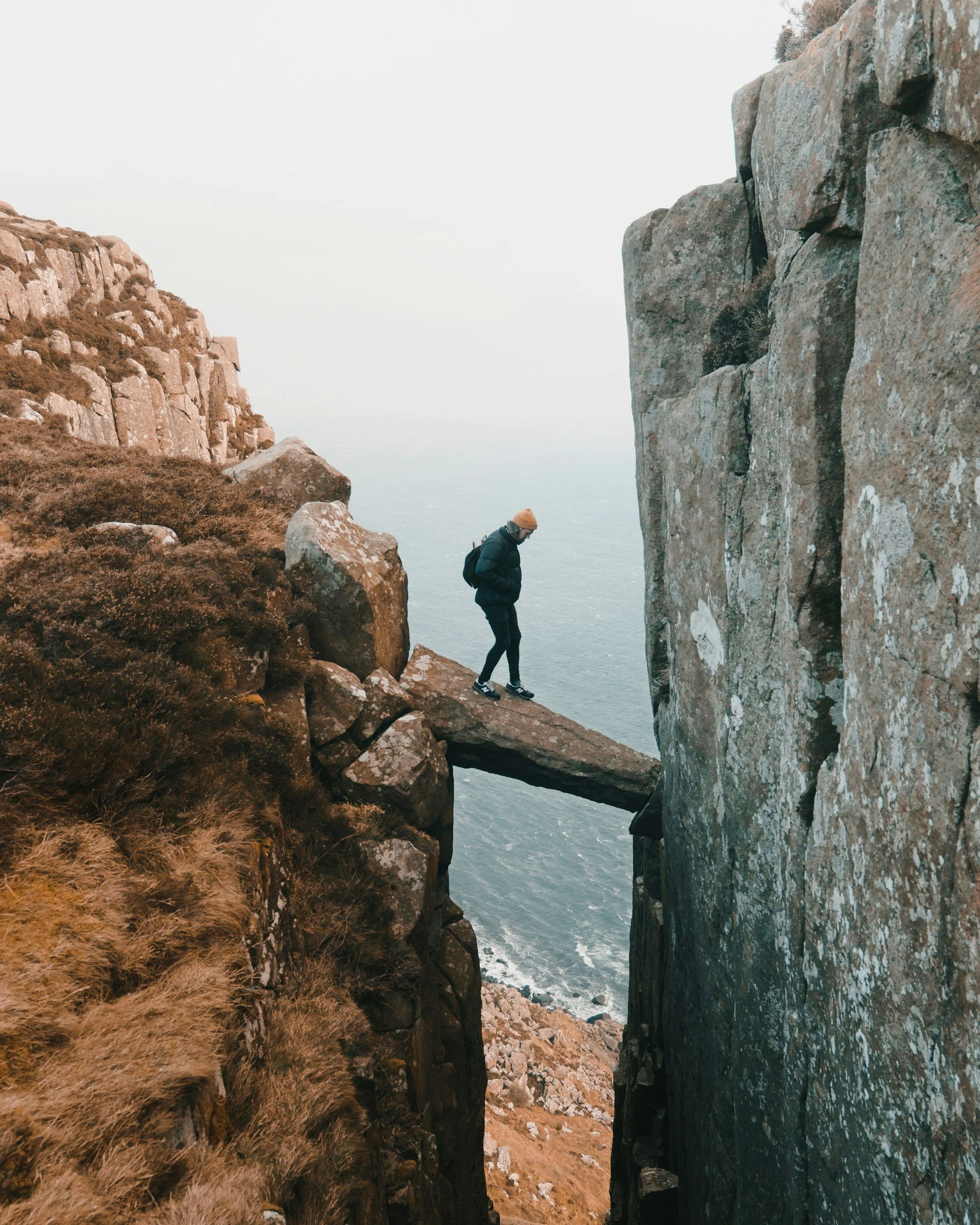
When those unsettling questions refuse to go away, we are forced to respond.
How did we get here?
What now?
Who is safe?
Where can I find clarity?
For many people, transition becomes an isolating and disorienting place. What once felt clear can suddenly feel clouded by confusion, grief, anxiety, and emotional exhaustion.
We know that place firsthand.
Often the way forward feels unclear

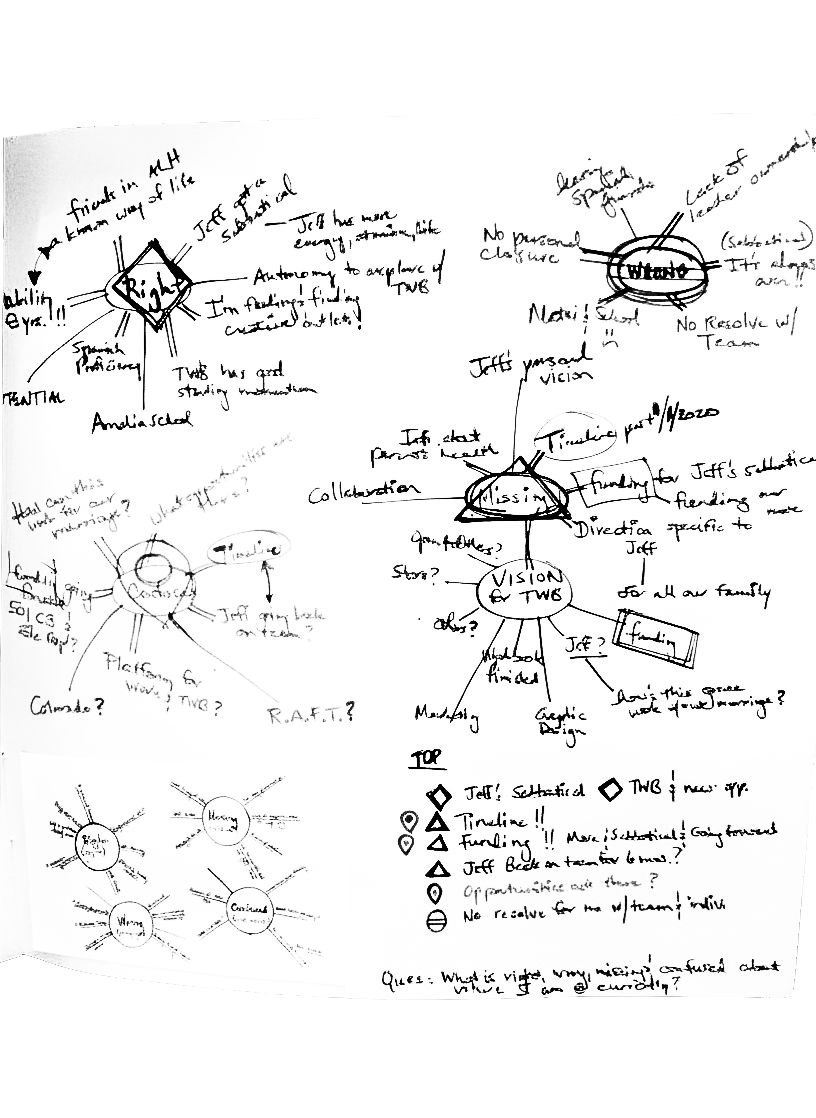
In my own seasons of major transition, I experienced deep loneliness and uncertainty. The way forward often felt hidden beneath emotional flooding, sleepless nights, and the paralysis that comes from feeling stuck.
Left alone with my own thoughts, the confusion only intensified.
Over time, I began to recognize that healing and discernment required more than simply “thinking harder.” I needed to engage my whole self — body, mind, spirit, creativity, and community.
Despite long-held fears and self-limiting beliefs around creativity,
I slowly began experimenting with movement, art, prayer, and reflection.
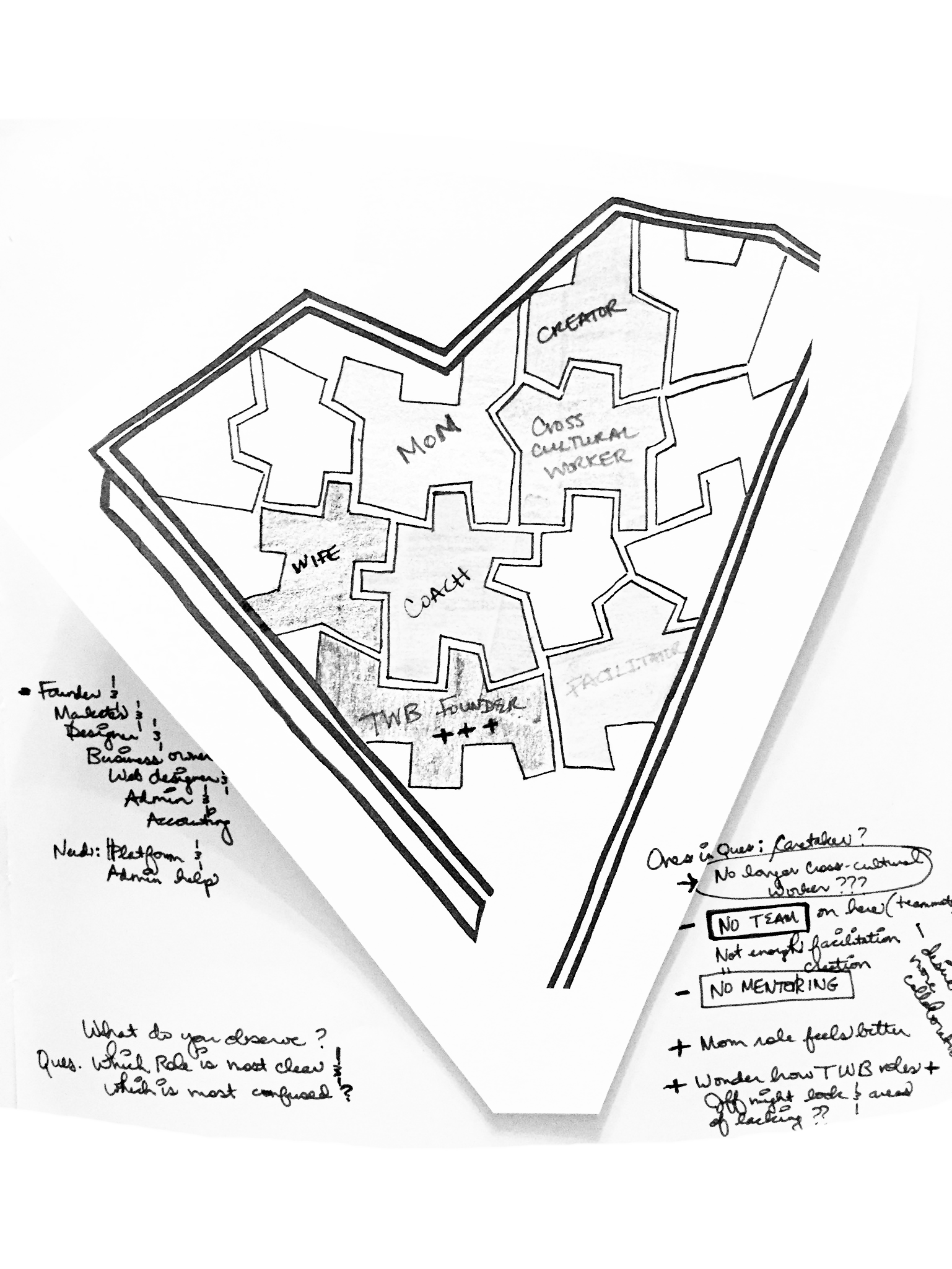
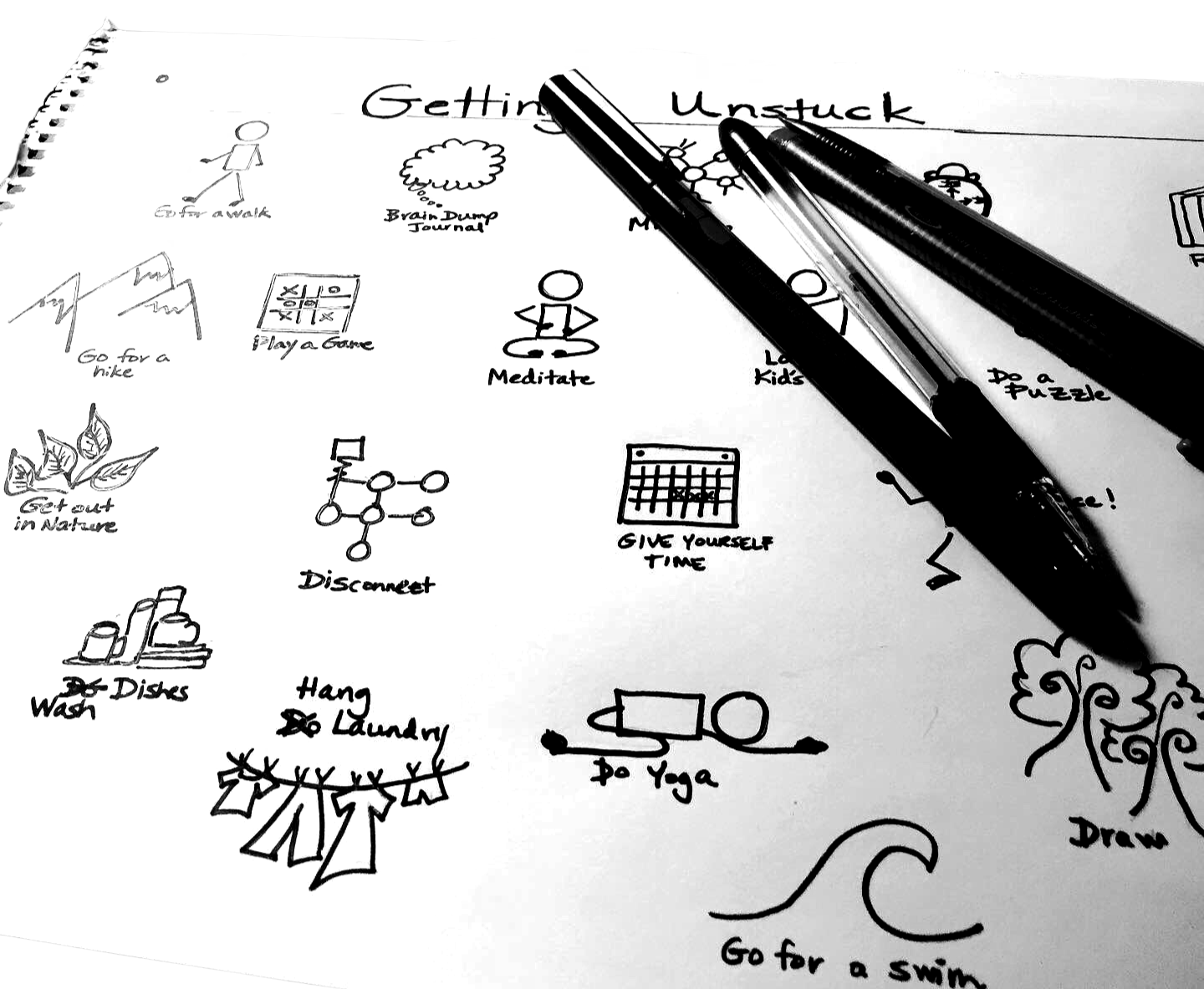

I started free writing for ten minutes a day after being inspired by The Artist’s Way, by Julia Cameron.
I took long walks and prayed differently.
I practiced yoga.
I attended classes at the gym.
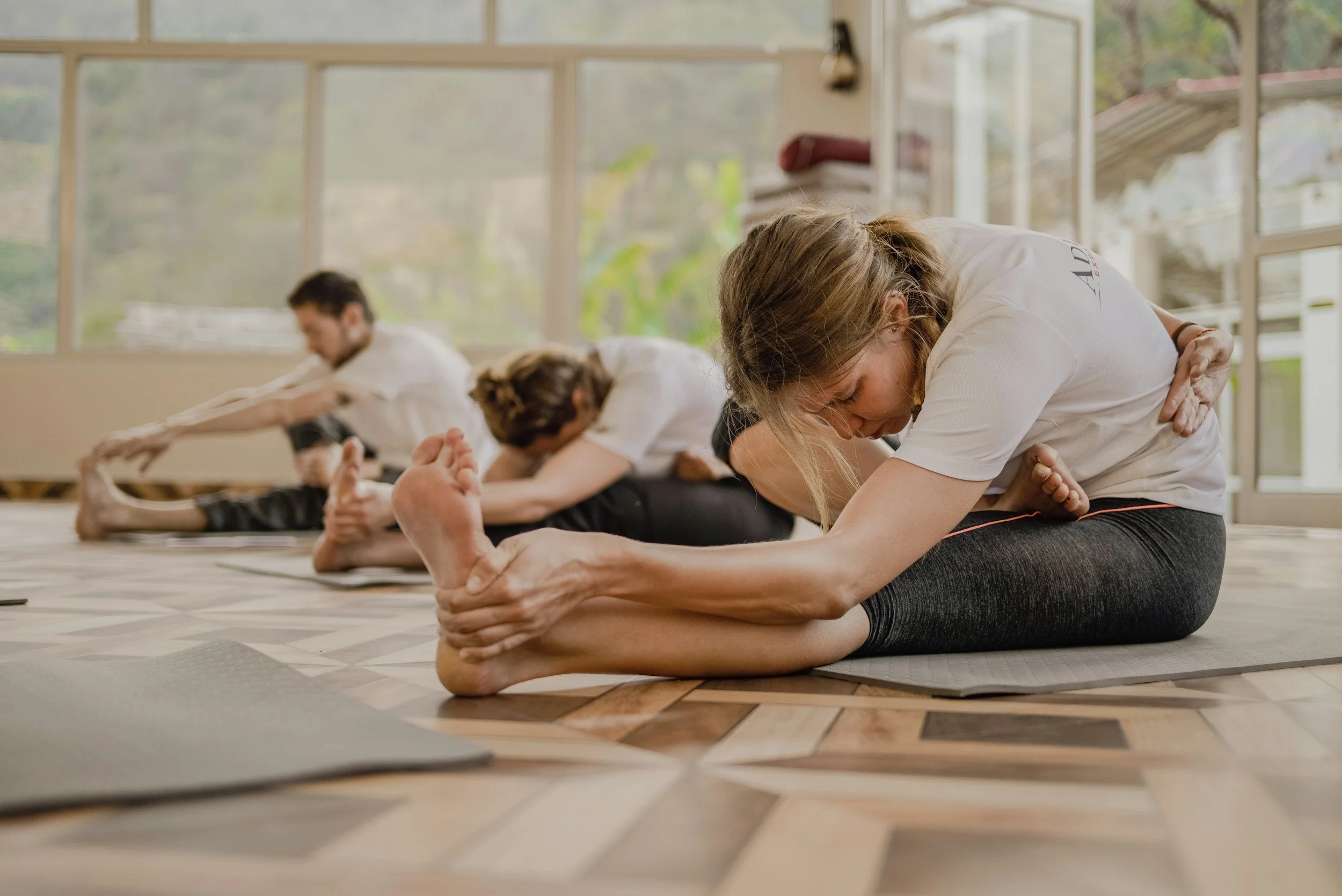
None of these things instantly changed my external circumstances.
But they changed how I inhabited them.
Creative and physical engagement became a lifeline — helping move me out of mental spirals and back into connection with my body, my story, and God’s presence in the middle of uncertainty.
The Power of a Safe Presence
During this season, I also met regularly with a trusted coach. He helped me see hope that I could not access on my own.
Through compassionate questions, honest reflection, and safe presence, he walked alongside me as I began untangling the deeper themes beneath the transition.
Together, we explored:
my story and recent experiences,
my unique wiring and creative fingerprint,
role fit and limitations,
patterns of burnout and disconnection,
reconciliation and forgiveness,
and the dreams that still remained underneath the pain.
Rather than rushing toward quick answers, we took a holistic approach — one that honored both practical realities and deeper soul-level questions.
That process changed me.
After a decade of working with life-planning and transition material, it became clear that something was missing.
Many approaches focused heavily on analysis and decision-making, but neglected the importance of embodiment, creativity, movement, grief, reflection, and nervous system regulation.
And in my own journey, these had become essential pathways toward clarity and integration.
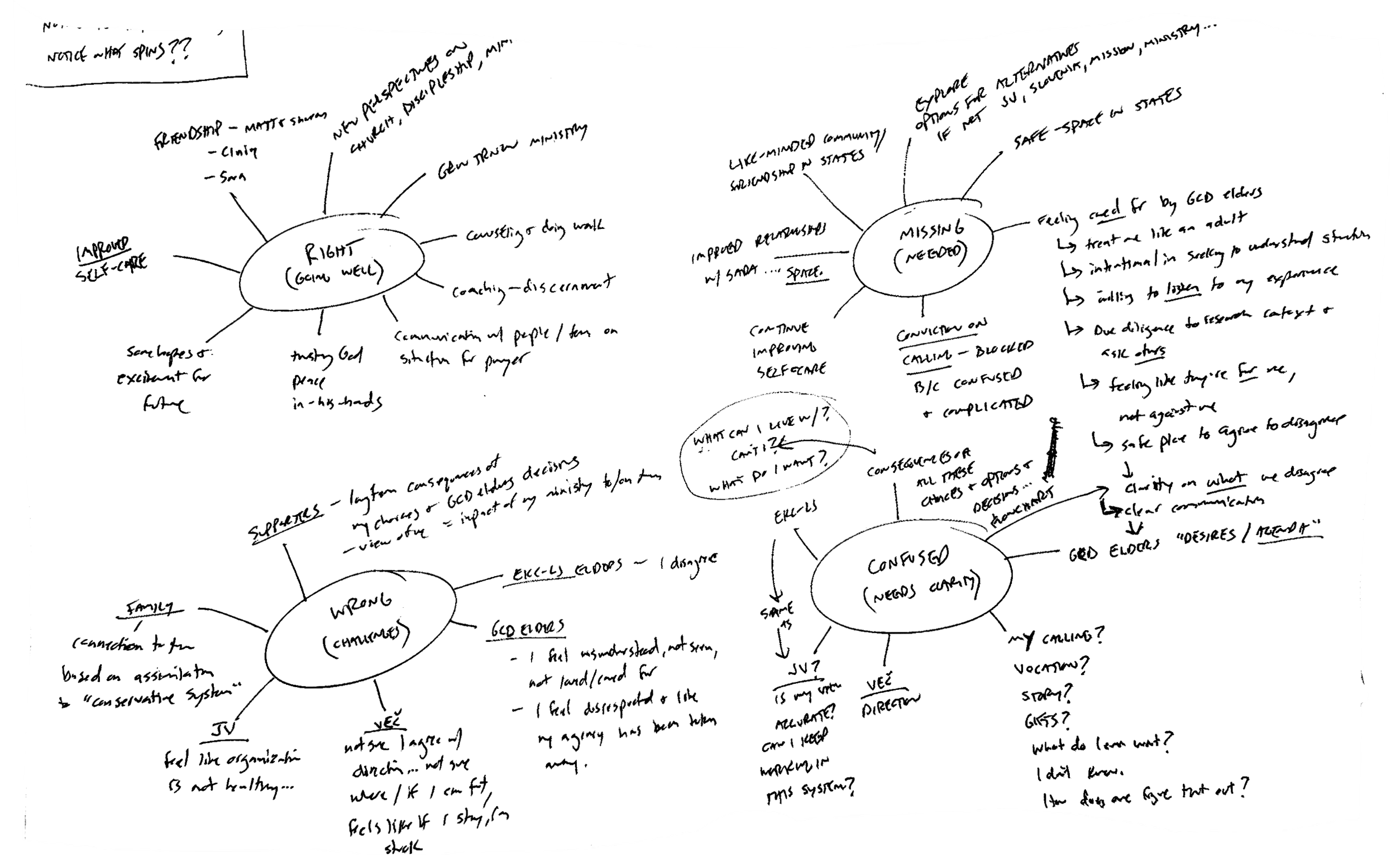
Again and again, I found myself drawn back to the theme of reconciliation:
What needs to be released?
What needs to be forgiven?
What false narratives need to be laid down?
What invitations might God be extending in this season?
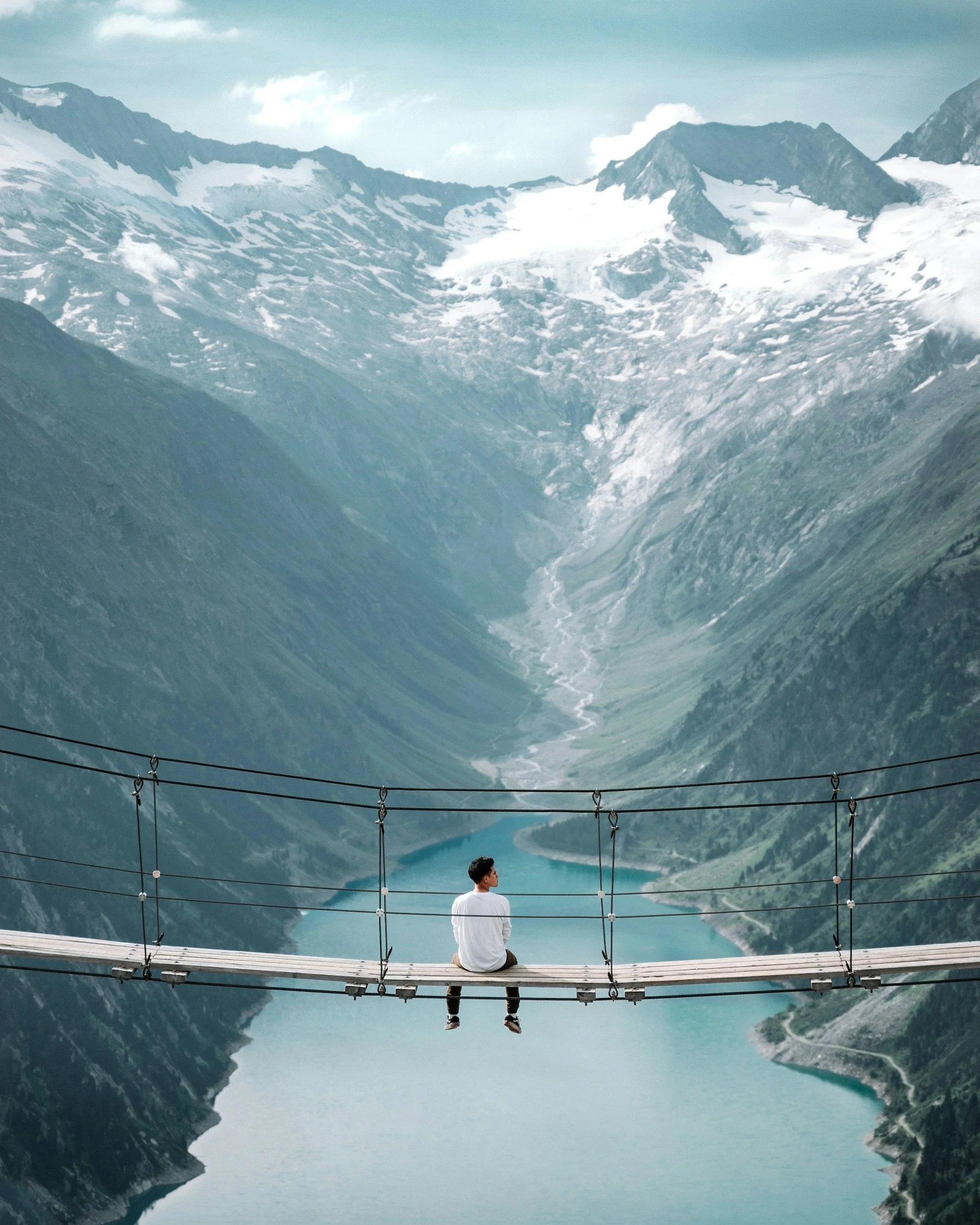
Transition creates a kind of sacred pause.
An in-between space.
A place where identity, calling, grief, limitation, hope, and courage often meet together at once.
The Way Between exists to journey with you in that space.
As I went through my own journey of transition, six themes consistently emerged:
Perspective
Identity
Limitations
Reconciliation
Dreams
Bold Moves
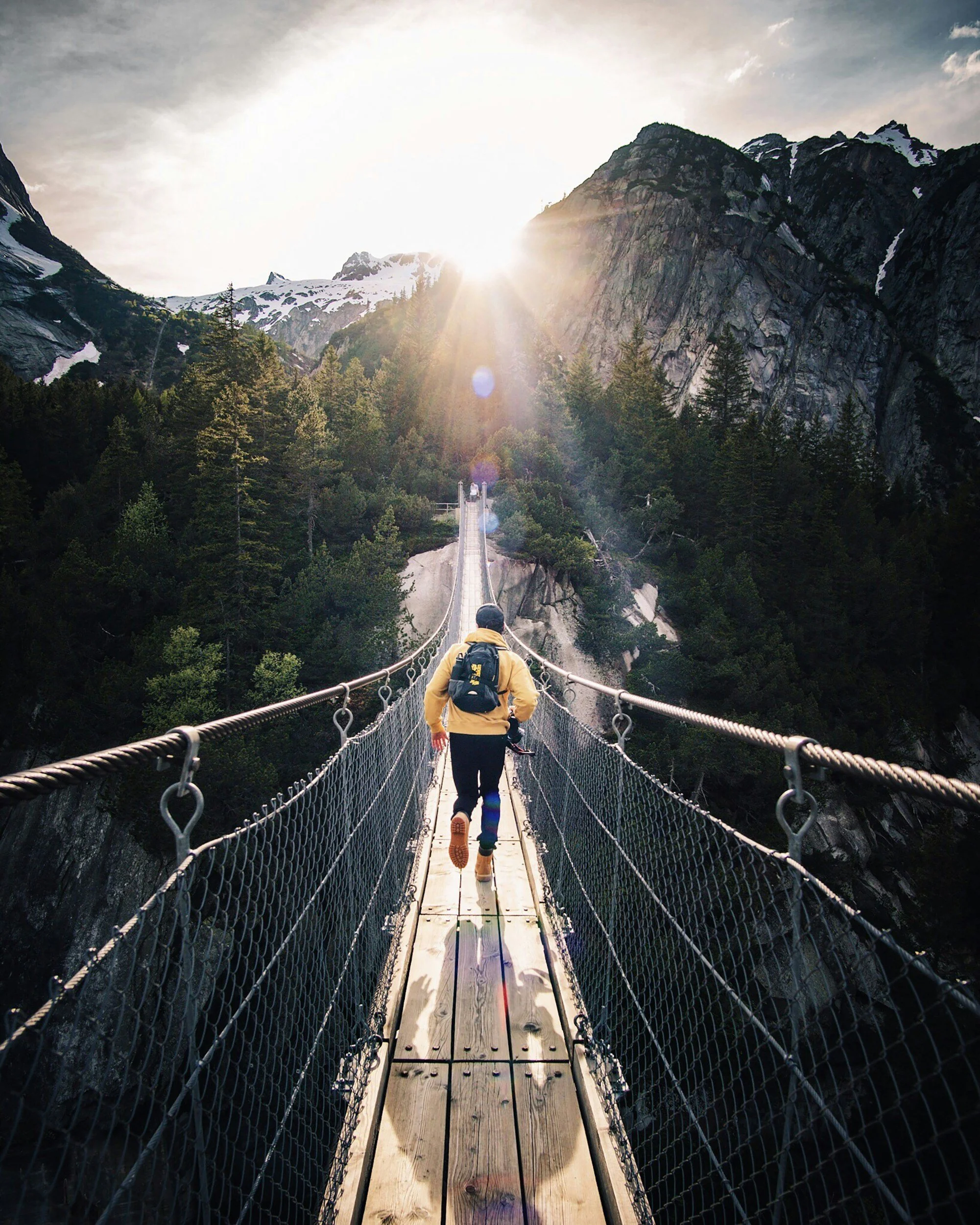
These themes now shape the foundation of The Way Between and are explored through creative exercises, movement, reflection, coaching, and guided experiences.
Our Approach
At The Way Between, we believe creativity is not about performance or artistic talent. Anyone can engage in art as a pathway toward clarity.
Simple creative practices can help quiet the noise, reconnect us to our bodies, and uncover deeper wisdom that often gets buried beneath fear, pressure, and overthinking.
We help individuals and leaders move through the stuckness of major life transitions with greater clarity, embodiment, courage, and support.
What We Offer
Safe spaces to slow down, listen deeply, and rediscover where your deep gladness meets the world’s great need.
01
Experienced Coaches & Guides
A trusted and safe third party. Trained experts in empathy, coaching, and the practical wisdom and contextual understanding from having gone through it ourselves.
02
Cohorts & Experiences
A safe communal space. An opportunity to journey alongside and witness others’ experience of God on a similar path, both virtual and in-person options.
03
Resources & eCourses
Pathways cultivated and curated by years of experience, refined and proven by many to support and guide you along the way.
Explore current offerings in:
-
Navigating burnout or discerning it’s time to step back, reflect, rest, rejuvenate, and intentionally be with Jesus?
We offer sabbatical support through coaching, eCourses, cohorts, and guided holistic tools to give you structure and help you make the most of your sabbatical.
-
In the way between here and where you want to be exists a transition space in your life—an opportunity to stop, reflect, and consider your creative contribution to the world before walking through the next door.
-
Take your stuck places on a walk—a long wandering walk. Show them the transformative wonder of creation. And notice how they shift! Trips available on the Camino de Santiago in Spain.
Not sure where to begin?
Whether you’re navigating transition, burnout, discernment, or longing for space to process, we’d be glad to help you explore what support may be most helpful.
Share where you’re at. We’ll connect you with coaches, experiences, or resources that fit your specific needs.